
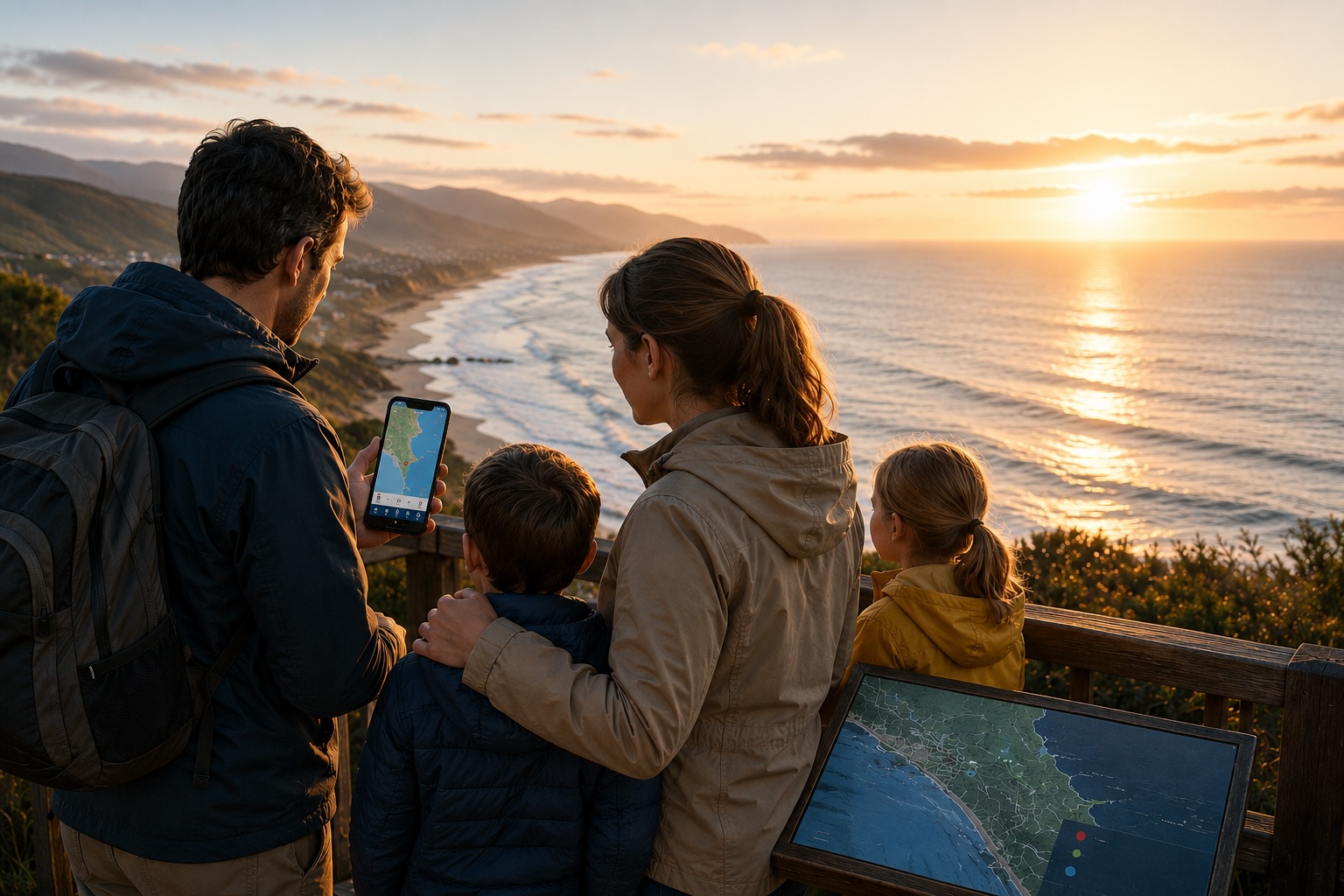
Why Coastal Preparedness Matters: Simple Steps That Can Help You Feel More Prepared
For people who live near, travel to, or love the coast, simple preparedness steps can make a real difference. Here is what coastal preparedness actually means and how to get started.
For many people, the coast represents relaxation, adventure, and beautiful places to live and visit. People are drawn to coastal communities for their beaches, ocean activities, tourism, family connections, and lifestyle opportunities.
However, coastal regions can also experience natural hazards — including tsunamis, earthquakes, severe storms, coastal flooding, and dangerous ocean conditions.
Fortunately, preparedness does not have to be complicated. Simple steps can help people feel more informed, more confident, and better prepared if unexpected situations arise.
What Is Coastal Preparedness?
Coastal preparedness simply means understanding potential hazards and knowing what actions you may take if an emergency occurs. Preparedness is not about fear — it is about awareness.
Being prepared means understanding risks, staying informed, knowing where to find reliable information, having simple plans, and understanding local emergency procedures. Even small steps can improve confidence and preparedness significantly.
Why Preparedness Matters
Natural hazards often occur with little warning. Although serious events remain relatively uncommon, being informed can help people understand developing situations, make more confident decisions, reduce uncertainty, and communicate effectively with family members during emergencies.
Preparedness is not about expecting the worst. Most of the time, it is simply about having the awareness and plans in place so that if something does happen, you are not starting from zero. Preparedness often provides exactly that: peace of mind.
Preparedness Is for Everyone
Many people assume preparedness only applies to individuals living directly on the coast. In reality, preparedness is useful for a much wider group — coastal residents near beaches and communities, travellers visiting coastal destinations, families with loved ones near the ocean, property owners with holiday homes or investment properties in coastal regions, and ocean enthusiasts who enjoy surfing, boating, fishing, and beach activities.
Preparedness can benefit anyone with a connection to coastal areas.

Simple Steps That Can Improve Preparedness
Preparedness does not require complicated planning. A few simple actions can make a meaningful difference.
Start by understanding local hazards. Different regions experience different risks — some areas may face tsunami risk, others earthquakes, coastal flooding, or volcanic activity. Knowing what hazards are relevant to your area is the easiest first step.
Know where to find reliable information. During emergencies, information is critical. Reliable sources include emergency management agencies, local authorities, scientific monitoring organisations, and preparedness resources. Knowing where to look before an emergency occurs reduces confusion later.
Understand warning terminology. Terms such as watch, advisory, and warning can sometimes be confusing. Understanding the difference before an emergency occurs helps you interpret information more effectively when it matters most.
Discuss Simple Family Plans
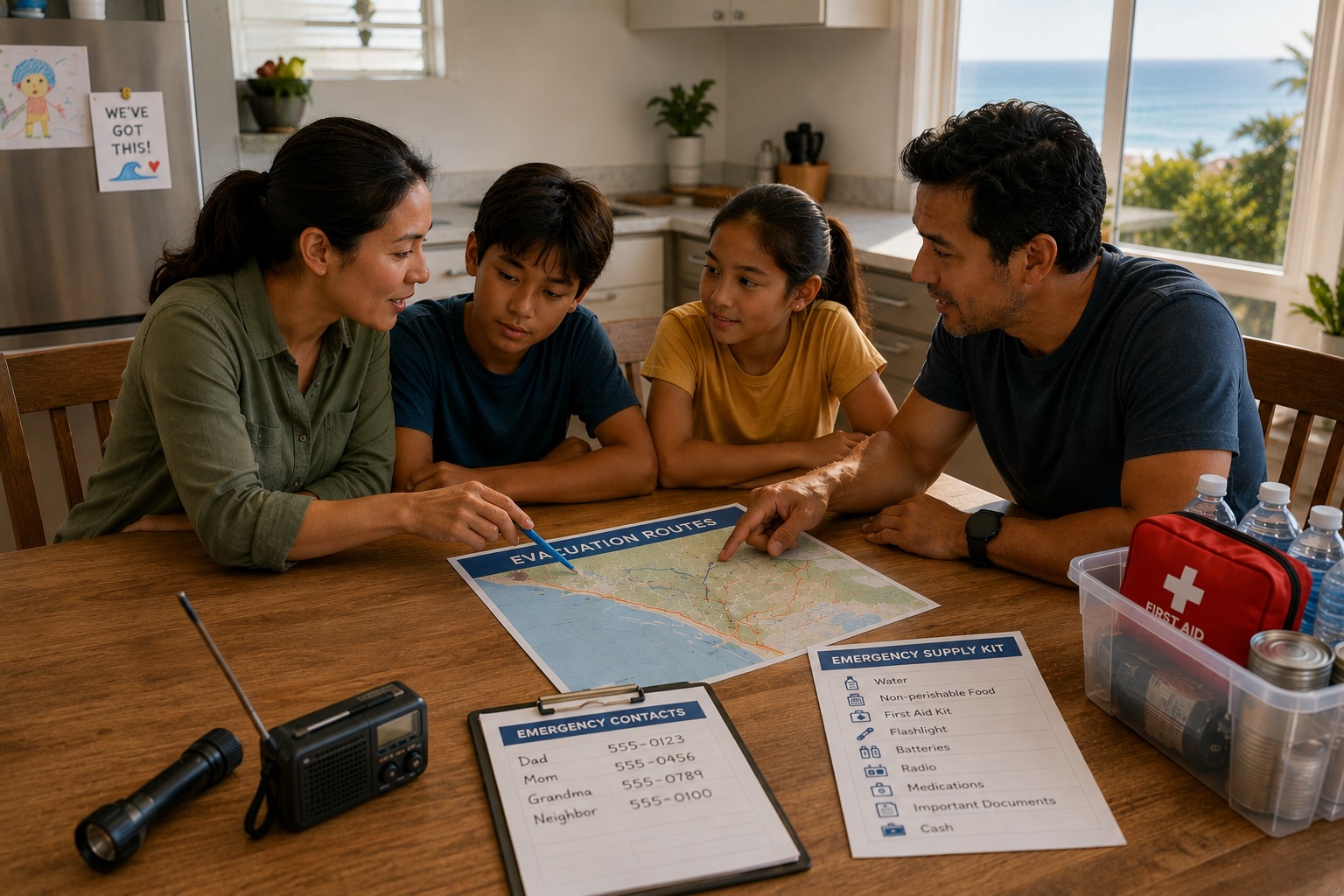
Preparedness is often easier when families have basic conversations in advance — about communication plans, where to meet if separated, emergency contacts, and travel arrangements. Simple discussions today can reduce uncertainty significantly during stressful situations.
These conversations do not need to be formal or lengthy. Spending ten minutes with your household to agree on a meeting point, share important phone numbers, and identify your nearest evacuation route is all it takes to be meaningfully better prepared.
Preparedness Conversation Starter
Pick one evening to discuss three things with your family: where you would meet if separated, one emergency contact number everyone knows, and the location of your nearest high ground or evacuation route.
Know Your Surroundings
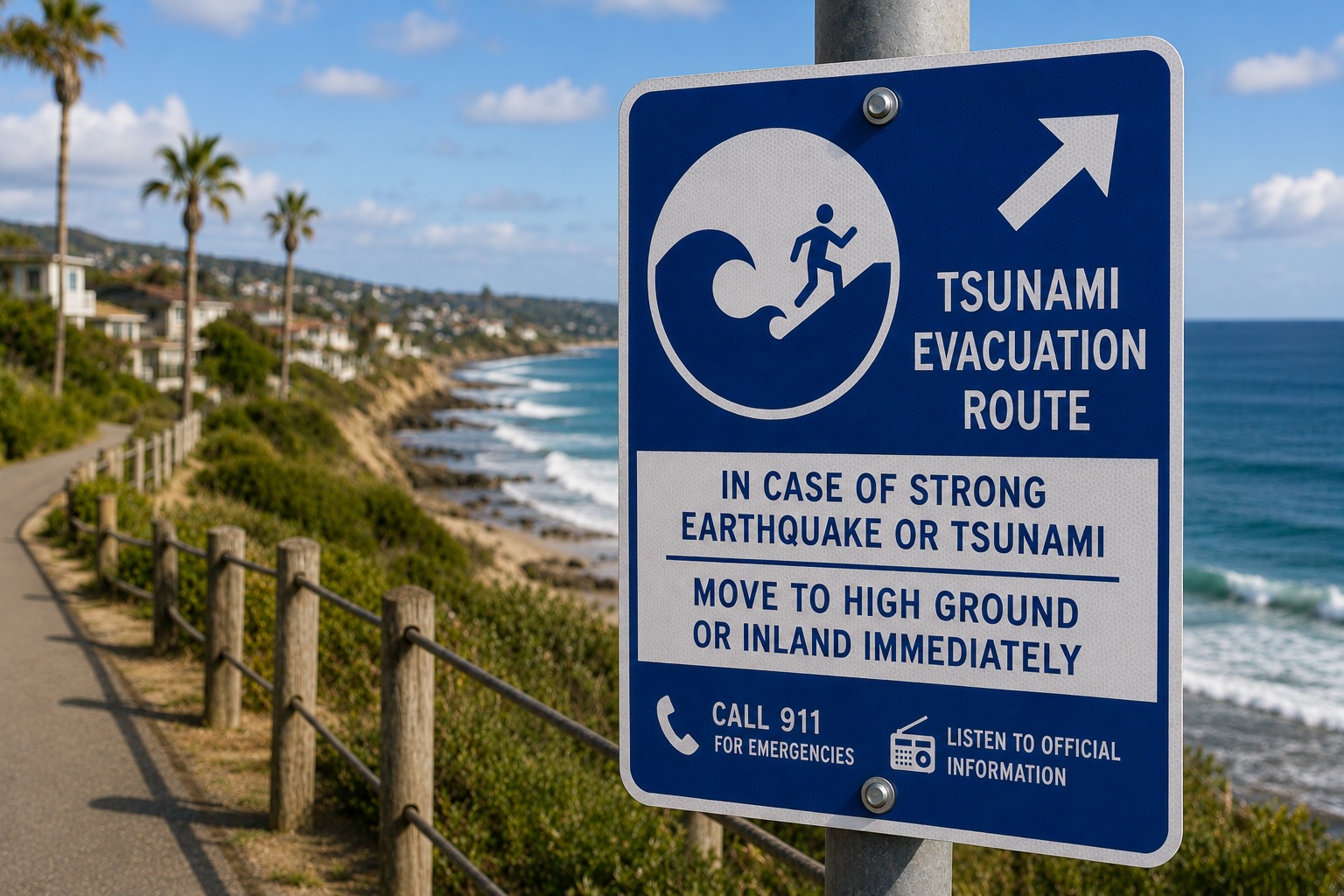
Whether you live near the coast or are travelling, taking time to observe your surroundings is one of the simplest forms of preparedness. Identify higher ground near where you stay or live. Look for evacuation signage — many coastal areas display tsunami evacuation route signs. Notice the layout of streets and exits.
Familiarity with your surroundings does not require prior training or elaborate planning. It simply requires attention. Preparation often begins with a walk around the neighbourhood and a few minutes of observation.
Evacuation Signage
Many coastal towns display blue and white tsunami evacuation route signs. These signs are designed to guide people toward higher ground during a tsunami threat — look for them when you arrive at any coastal destination.
Preparedness and Travel
Millions of people travel to coastal destinations every year — Hawaii, California, Alaska, Australia, New Zealand, and countless other beautiful locations. Most trips are enjoyable and uneventful.
However, spending a few minutes understanding local emergency information before and during a coastal trip can improve confidence. Check whether your destination has tsunami risk, note your accommodation's emergency procedures, and identify the nearest high ground.
For families, preparedness can also be about peace of mind for those at home. Knowing where loved ones are, having a way to communicate, and being able to check on important locations remotely can reduce worry for everyone.
How Tsunami Shield Supports Preparedness
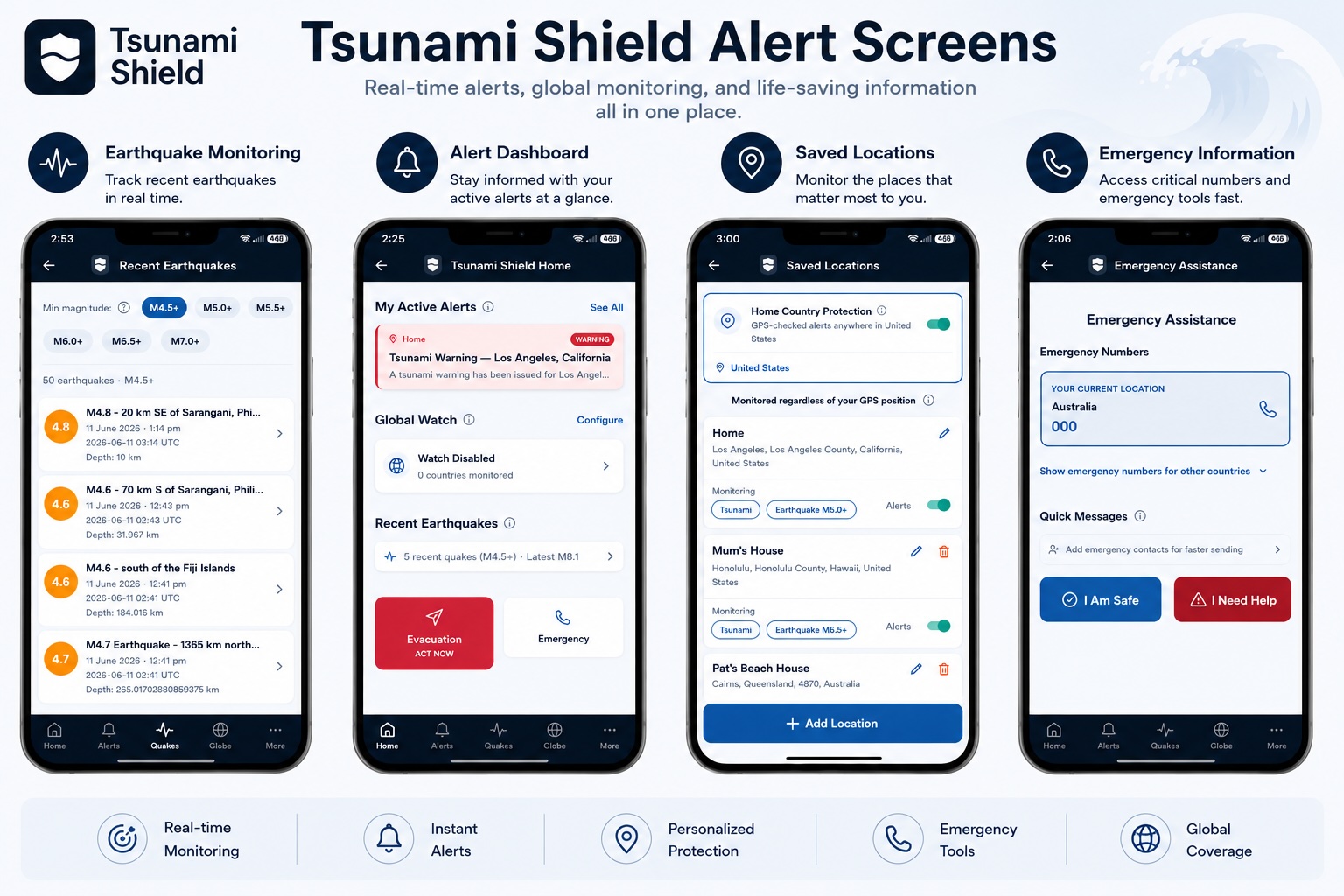
Tsunami Shield was designed to make preparedness information easier to access. The app delivers official tsunami alerts and earthquake monitoring for your saved locations — including your home, family members' addresses, and every travel destination you add.
The goal is simple: help people stay informed about the places and people they care about. Whether you are a coastal resident, a frequent traveller, or someone watching over a loved one near the ocean, Tsunami Shield keeps you connected to the information that matters.
Tsunami Shield: Always Prepared, Wherever You Are
Add your home, your family's locations, and your travel destinations to Tsunami Shield and receive official tsunami alerts and earthquake monitoring for every place that matters to you.
Final Thoughts
Natural hazards are part of living in and visiting coastal regions — but preparedness does not need to be complicated or overwhelming. Understanding local risks, knowing where to find information, and having simple plans can help people feel more informed and more confident when unexpected situations arise.
Preparedness is ultimately about awareness, confidence, and peace of mind. It is not a one-time task — it evolves as families grow, people travel, and communities change. Even small steps taken today contribute to greater awareness tomorrow.
Preparedness does not need to be perfect. It simply needs to begin.
Frequently Asked Questions
What is coastal preparedness?
Coastal preparedness means understanding potential natural hazards in your area and knowing what actions you might take if an emergency occurs. It covers understanding local risks, knowing warning terminology, identifying evacuation routes, and having a simple family communication plan.
Who needs to think about coastal preparedness?
Anyone with a connection to coastal areas — not just permanent residents. Travellers visiting beach destinations, families with loved ones near the coast, property owners, and ocean enthusiasts can all benefit from basic preparedness awareness.
What is the difference between a tsunami watch, advisory, and warning?
A tsunami warning means destructive waves are expected — evacuate immediately. A tsunami advisory means dangerous currents and possible minor waves near shore. A tsunami watch means a tsunami is possible and authorities are monitoring the situation. Understanding these terms before an emergency occurs helps you respond appropriately.
How does Tsunami Shield help with coastal preparedness?
Tsunami Shield delivers official tsunami alerts and earthquake monitoring for your saved locations — your home, family members' addresses, and travel destinations. The app also provides preparedness resources and emergency information tools to help you feel informed wherever you are.
Read Next
Continue exploring related topics


