
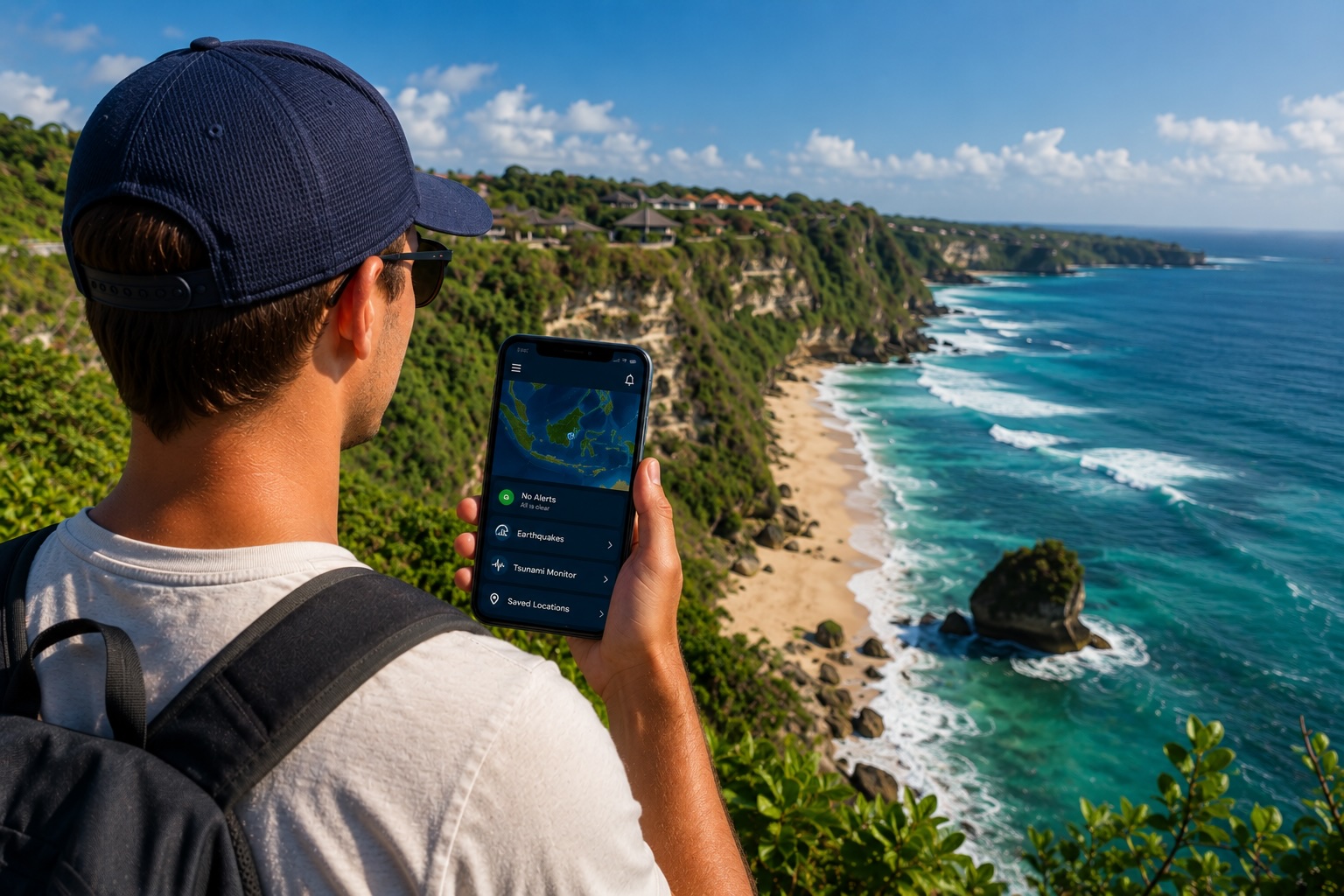
Travel Safety for Bali Visitors: Earthquakes, Tsunamis, and Simple Preparedness Tips
Bali is one of the world's most popular island destinations. Here is what travelers should know about earthquakes, tsunamis, and simple preparedness for a safe and confident visit.
Bali is one of the world's most popular island destinations. Millions of travelers visit Bali every year to experience beautiful beaches, world-famous surfing, cultural attractions, tropical landscapes, wellness retreats, and luxury resorts.
Most visits to Bali are safe, enjoyable, and completely uneventful. However, Bali is also located in a geologically active region that occasionally experiences natural hazards, including earthquakes, tsunamis, volcanic activity, and severe weather.
Understanding a few simple preparedness concepts can help travelers feel more informed and more confident during their visit. Preparedness is not about expecting something to go wrong — it is simply about understanding your surroundings and knowing where to find reliable information if unexpected situations occur.
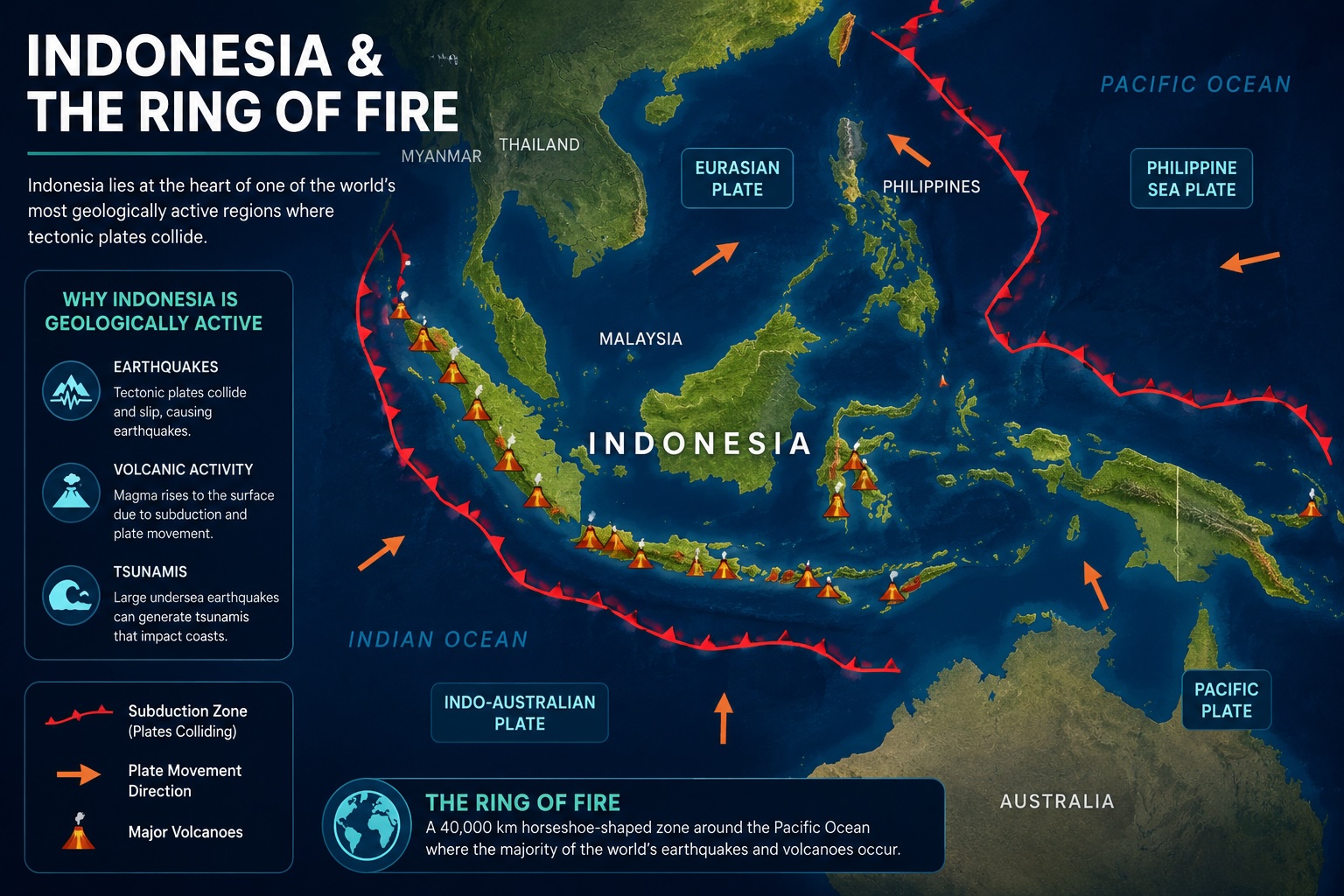
Is Bali Located in the Pacific Ring of Fire?
Yes. Indonesia sits within one of the world's most geologically active regions. Several tectonic plates interact in this area, creating conditions that can lead to earthquakes, volcanic eruptions, and occasional tsunamis.
Indonesia experiences seismic activity regularly. Most events are minor and cause little disruption.
Does Bali Experience Earthquakes?
Yes. Earthquakes occasionally occur in and around Bali. Many are minor, brief, and barely noticeable. Others may be felt more strongly depending on earthquake magnitude, distance from the epicenter, and local ground conditions.
Indonesia has extensive experience with earthquake preparedness and monitoring.
Can Tsunamis Occur in Bali?
Yes. Indonesia has experienced tsunami events throughout its history. Because Indonesia sits along active tectonic plate boundaries, some earthquakes have generated tsunamis. However, significant tsunami events remain relatively uncommon.
Indonesia maintains monitoring systems and emergency management procedures designed to help identify and communicate potential hazards.
Should Tourists Be Worried?
No. Millions of people visit Bali every year without experiencing any emergency situations. Preparedness should be viewed similarly to carrying travel insurance, understanding local customs, learning transportation options, and knowing emergency numbers.
A small amount of preparation can help improve confidence and peace of mind.

What Should You Do During an Earthquake?
If you feel an earthquake:
- Stay Calm — most earthquakes are brief
- Protect Yourself — move away from objects that may fall if necessary
- Follow Local Instructions — hotels and businesses may provide guidance
- Monitor Reliable Information — follow official information and updates
What If a Tsunami Warning Is Issued?
If you are near the coast and a tsunami warning is issued, remain calm, follow instructions from authorities, move away from low-lying coastal areas if instructed, avoid beaches and shorelines, and monitor official information.
Warnings should always be taken seriously.
Take All Warnings Seriously
If a tsunami warning is issued while you are near the Bali coast, act immediately. Do not wait to observe conditions before moving to higher ground.
Understand Natural Warning Signs
Official monitoring systems are important, but travelers should also understand natural warning signs.
Strong or Prolonged Ground Shaking — if you experience strong shaking near the coast, move away from low-lying coastal areas and follow local guidance.
Sudden Ocean Retreat — if the ocean suddenly pulls back unusually far from shore, seek safety immediately.
Unusual Ocean Behavior — rapidly changing water levels or unusual ocean activity should be taken seriously.
Do not wait for additional confirmation if natural warning signs are present.
Staying Near the Beach
Many of Bali's most popular destinations sit near the coast, including Kuta, Seminyak, Canggu, Nusa Dua, Sanur, and Uluwatu.
If staying near the coast, understand your surroundings, notice evacuation signage, review hotel emergency information, and know where higher ground may be located.
Preparedness often begins with simple awareness.
What About Language Barriers?
Many travelers worry about understanding local instructions, finding information, and interpreting emergency signs.
Fortunately, Bali's tourism industry is highly developed, many hotels provide information in English, tourist areas often use internationally recognized symbols, and accommodation providers can assist travelers.
Preparedness becomes easier when travelers know where information can be found.
Helping Family Members Stay Informed
Travel affects more than the traveler. Family members at home often want reassurance that you are safe, that they understand developing situations, and that they can monitor important information.
Reliable information can help reduce uncertainty and support communication during travel.
How Tsunami Shield Supports Travelers
Tsunami Shield helps travelers stay informed through official tsunami alerts, earthquake monitoring, saved locations, regional monitoring, preparedness resources, and emergency information tools.
Travelers can monitor destinations that matter to them and remain informed about significant events affecting places they are visiting. The goal is simple: help travelers stay informed and enjoy greater peace of mind before, during, and after their journey.
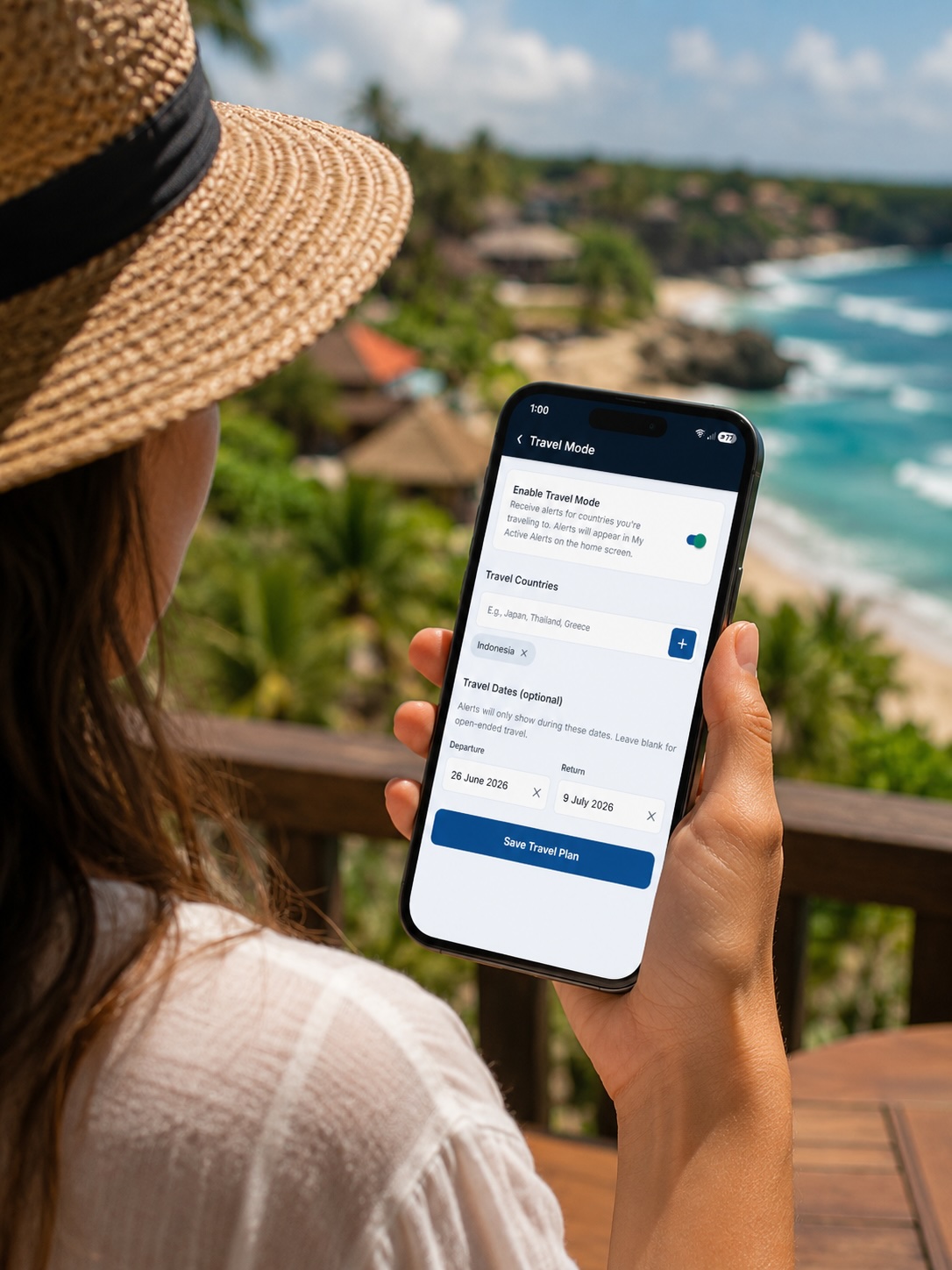
Save Your Bali Destinations
Add Kuta, Seminyak, Canggu, Nusa Dua, Sanur, or Uluwatu to your saved locations in Tsunami Shield to receive official alerts and earthquake monitoring throughout your trip.
Preparedness Without Fear
Preparedness should never reduce enjoyment. Most visitors will never experience a significant natural hazard during their time in Bali. Understanding basic preparedness concepts simply helps travelers feel more informed, more comfortable, more confident, and better prepared.
Preparedness and relaxation can comfortably exist together.
Final Thoughts
Bali remains one of the world's most beautiful and popular destinations. Although earthquakes and tsunamis occasionally occur within Indonesia, millions of people safely enjoy Bali every year.
Understanding your surroundings, knowing where to find information, and being aware of simple preparedness concepts can help you enjoy greater peace of mind during your trip. Preparedness is not about expecting emergencies — it is about traveling with awareness, confidence, and the freedom to enjoy every moment of your journey.
Frequently Asked Questions
Is Bali safe from earthquakes and tsunamis?
Bali sits within a geologically active region of Indonesia and does occasionally experience earthquakes, but significant tsunami events remain relatively uncommon. Millions of travelers visit Bali every year without experiencing any emergency situations.
What should I do if I feel an earthquake in Bali?
Stay calm, since most earthquakes are brief. Move away from objects that may fall if necessary, follow guidance from your hotel or local businesses, and monitor official information and updates. Avoid rushing outdoors during shaking unless immediate danger requires it.
What are the natural warning signs of a tsunami in Bali?
Natural warning signs include strong or prolonged ground shaking near the coast, the ocean suddenly retreating unusually far from shore, or unusual, rapidly changing ocean behavior. If you notice any of these signs, move to higher ground immediately without waiting for official confirmation.
How can Tsunami Shield help me while visiting Bali?
Tsunami Shield lets you save popular Bali destinations like Kuta, Seminyak, Canggu, Nusa Dua, Sanur, or Uluwatu to receive official tsunami alerts, earthquake monitoring, and regional preparedness resources throughout your trip.
Read Next
Continue exploring related topics


